Select your language


How to properly dilute disinfectants?
Expired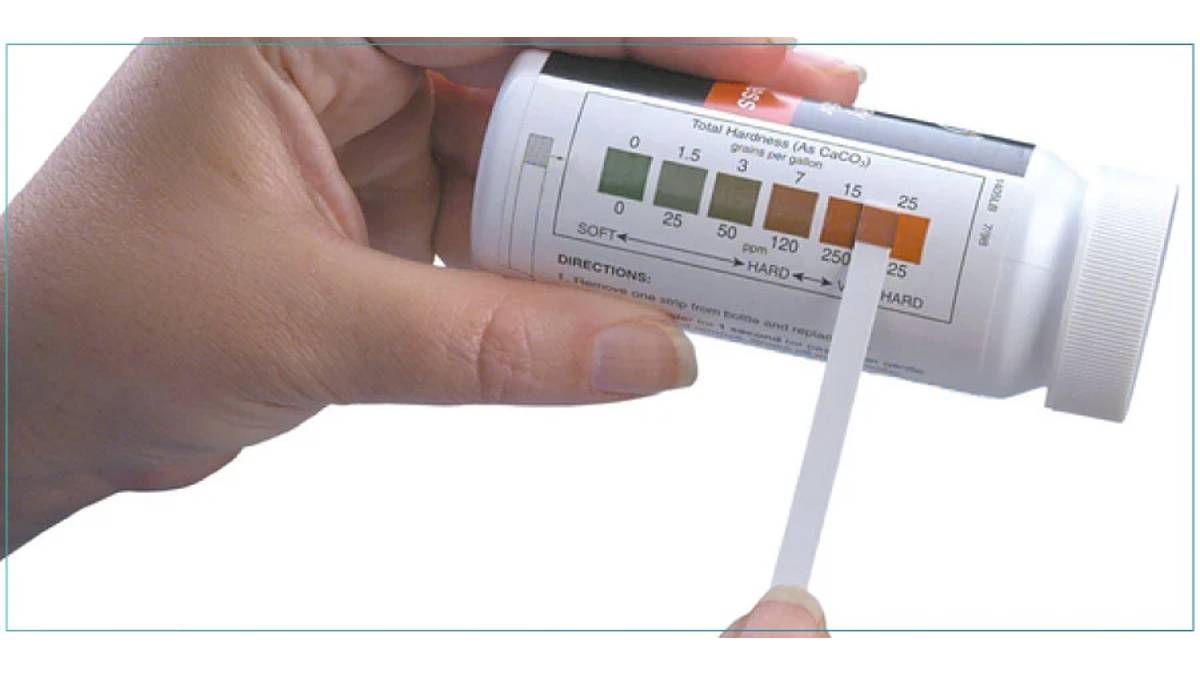
Latin America. There are, in the concept of the company Flow Chem, several critical safety elements in disinfection when applying a disinfectant. One of these critical elements is the proper dilution of the same. This is essential for several important reasons:
Effectiveness: Most disinfectants are designed to perform optimally when diluted according to the manufacturer's instructions. Using the correct concentration ensures that the product is effective at inactivating microorganisms, such as bacteria, viruses, and fungi, on surfaces.
Safety: By properly diluting disinfectants, the risk of skin or respiratory irritation for people applying them is reduced. Exposure to inappropriate concentrations of disinfectant chemicals can be harmful to health.
Economy: Proper dilution helps to use disinfectant products more efficiently. Using concentrations higher than necessary can not only be economically inefficient, but it can also lead to unnecessary waste and increase cleanup costs.
Surface Compatibility: Some surfaces can become damaged or corroded if exposed to excessive concentrations of disinfectant chemicals. Proper dilution helps ensure that surface materials are kept in good condition.
Regulatory Compliance: In many industries and sectors, there are specific regulations and guidelines on the dilution and use of disinfectants. Complying with these regulations is essential to ensure safety and quality in disinfection.
Consistency in Results: Using the correct concentration of disinfectant ensures consistent results in terms of microorganism reduction. This is especially important in critical environments, such as hospitals or food production facilities.
Microbial Resistance: Improper use of disinfectants, such as insufficient concentrations, can contribute to the development of microbial resistance, where microorganisms become more resistant to disinfectant chemicals.
Environmental Protection: Proper dilution also contributes to reducing environmental impact. Dumping excessive concentrations of disinfectant chemicals into the environment can have negative effects on local flora and fauna.
The company often receives questions about dilution from customers and end users who are confused about how to dilute their disinfectant products and want to know how to make sure they do it correctly.
That's why he shared some of those frequently asked questions, clears up misconceptions, and provides dilution best practices for infection prevention programs.
Question 1: Where can I find the dilution ratio to use?
Everything you need to make correct use of your disinfectant, including the dilution ratio, should be printed directly on your product label, sometimes when a more specific use is required depending on the area of application or method validate the information directly from the product data sheet which must be provided by your supplier.
Question 2: How can I make sure I get the right dilution results?
The best way to do this is with a dispenser or any dilution control method (specimens and meters are used). Relying on the "odometer" method to pour disinfectant and water into a container won't work. Dispensing systems offer more accurate dilution results by controlling the amount of product being dispensed. They make the pouring and mixing process easier.
Question 3: How can I be sure my product is in the proper dilution ratio?
He always recommends using disinfectant measuring strips in PPM as often as possible. PPM stands for parts per million. This small piece of paper can be dipped into your solution and will show you a visual reference that corresponds to the color-coded system. PPM paper is based on the active ingredient in your disinfectant (quaternary ammoniums, hydrogen peroxide, or chlorine bleach). Your product will tell you a PPM range, and you should look for the PPM range to match your test strips. This range must be in accordance with the dosage recommended by the supplier to carry out a correct disinfection. Find out here the strips we have available according to the type of disinfectant.
Question 4: How often should I use strips with my prepared disinfectant solution?
You should test your solution throughout the day. Testing once when the solution has just been prepared is not enough. We recommend frequent testing during a cleaning shift to verify the accuracy of the dilution ratio and the proper PPM to ensure that your microbiological contamination prevention methods are accurate. Many factors, such as water quality, temperature, possible contamination of the prepared solution, among others, can cause the concentration of the disinfectant to decrease and not be effective.
Question 5: Is a more concentrated concentration better?
People ask if the label says 200 PPM and it has 1000 PPM, doesn't that mean it's better? The answer is no. With a solution that is more concentrated, you run the risk of leaving residue on the surface. Even a concentrated disinfectant can become an environment conducive to bacteria and viruses, the very microorganisms you thought you were getting rid of.
Question 6: How does water quality affect dilution?
Water quality plays a vital role in dilution. Hard and soft water, calcium, and minerals can affect the stability of the solution and PPM. This is even more reason to frequently validate and measure your readings throughout your cleaning shift.
Question 7: What water temperature should I use when diluting my disinfectant?
It is a proven fact that hot water cleans better in most cases. However, the same is not true of most disinfectants, although many of them are designed to be used in both hot and cold water.
Here several factors come into play so that our recommendation is always to use it with water at room temperature. First, the hotter the water, the faster it will dry out, shortening its dwell time. If we do not respect and ensure that we keep surfaces moist for the time indicated on each label, we are failing to disinfect. Another factor is the health of employees. Disinfectants can have aggressive chemistry and the hottest water will evaporate, which could cause respiratory problems in cleaning staff.
Proper disinfection is not complicated, but it requires a fundamental understanding of some basic principles to do it correctly.
Analysis published by the company Flow Chem.

We present the second Report- Top 50 of Latin American Cleaning Companies, a ranking that highlights the most recognized companies in this region, considering the importance of this industry, cleaning and disinfection processes, not only in homes, but also in offices, hotels, industrial plants and any space where there is an influx of people.