Select your language


World Cleanup Day: a movement that united the planet
Expired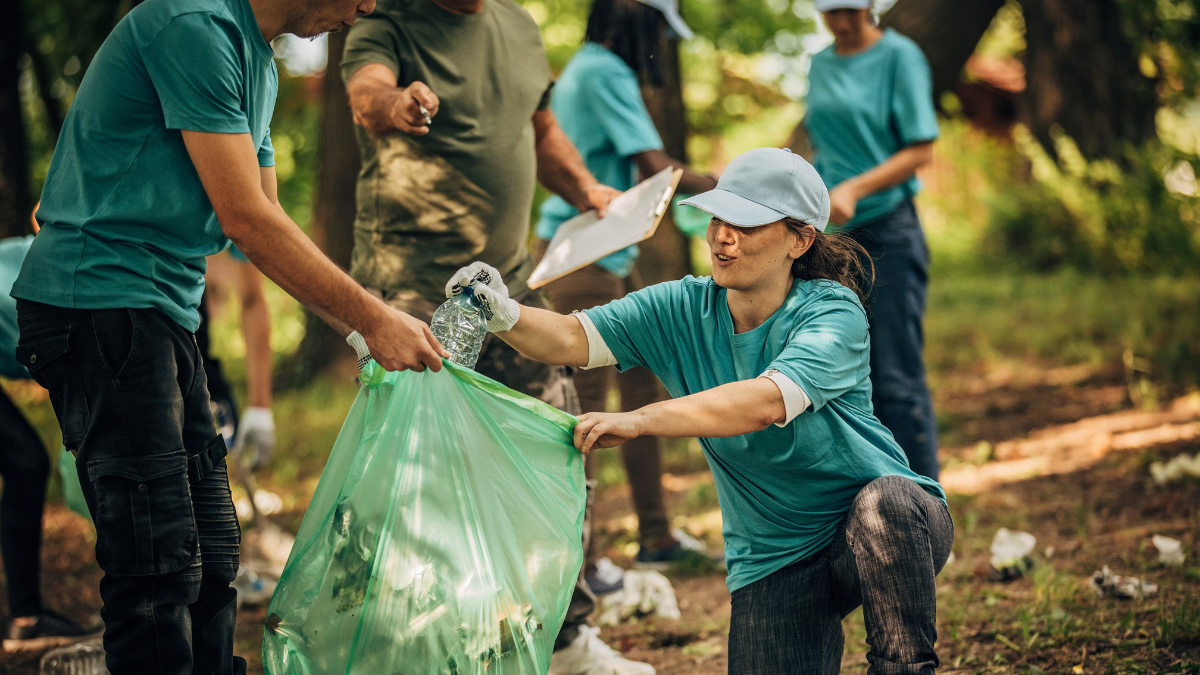
International. World Cleanup Day, which was celebrated on September 17, 2025, was a global mobilization in which millions of individuals participated on various continents with the aim of cleaning public spaces, streets, rivers, forests and beaches. The purpose of the initiative was to raise awareness about waste management and the implementation of practices that are sustainable.
Origin of the movement
The day had its first edition in Estonia in 2008, when more than 50,000 volunteers participated in a cleaning activity that lasted five hours. The result motivated other countries and gave rise to the global movement known as World Cleanup Day, in which more than 190 nations participated in 2025.
An environmental challenge
According to international estimates, more than 2,000 million tons of garbage are produced every year. Some of this waste ends up in rivers, oceans or open-air landfills, which can have consequences such as soil and water pollution, damage to animal species that consume or become trapped in plastics, as well as risks to human health linked to vectors and diseases.
The situation was highlighted and it was shown that collective action could contribute to reducing waste on World Cleanup Day 2025.
Colombia and the 2025 Day
In the country, educational institutions, environmental organizations and local administrations joined in with waste collection and classification activities in parks, rivers and neighborhoods. Cities such as Bogotá, Medellín, Cali, Barranquilla and Cartagena called for volunteers to participate in these days.
In coastal and rural communities, clean-up activities were also organized, involving inhabitants of different ages and social sectors.
Beyond a day
Although the day focused on September 17, the movement proposed extending sustainability habits throughout the year through the separation of waste at the source, reuse, recycling and reducing the consumption of single-use plastics.
A movement with social impact
In addition to collecting waste, World Cleanup Day 2025 strengthened citizen culture and motivated governments and companies to promote environmental policies. The aim was for the initiative to contribute to the construction of cleaner environments and responsible waste management.
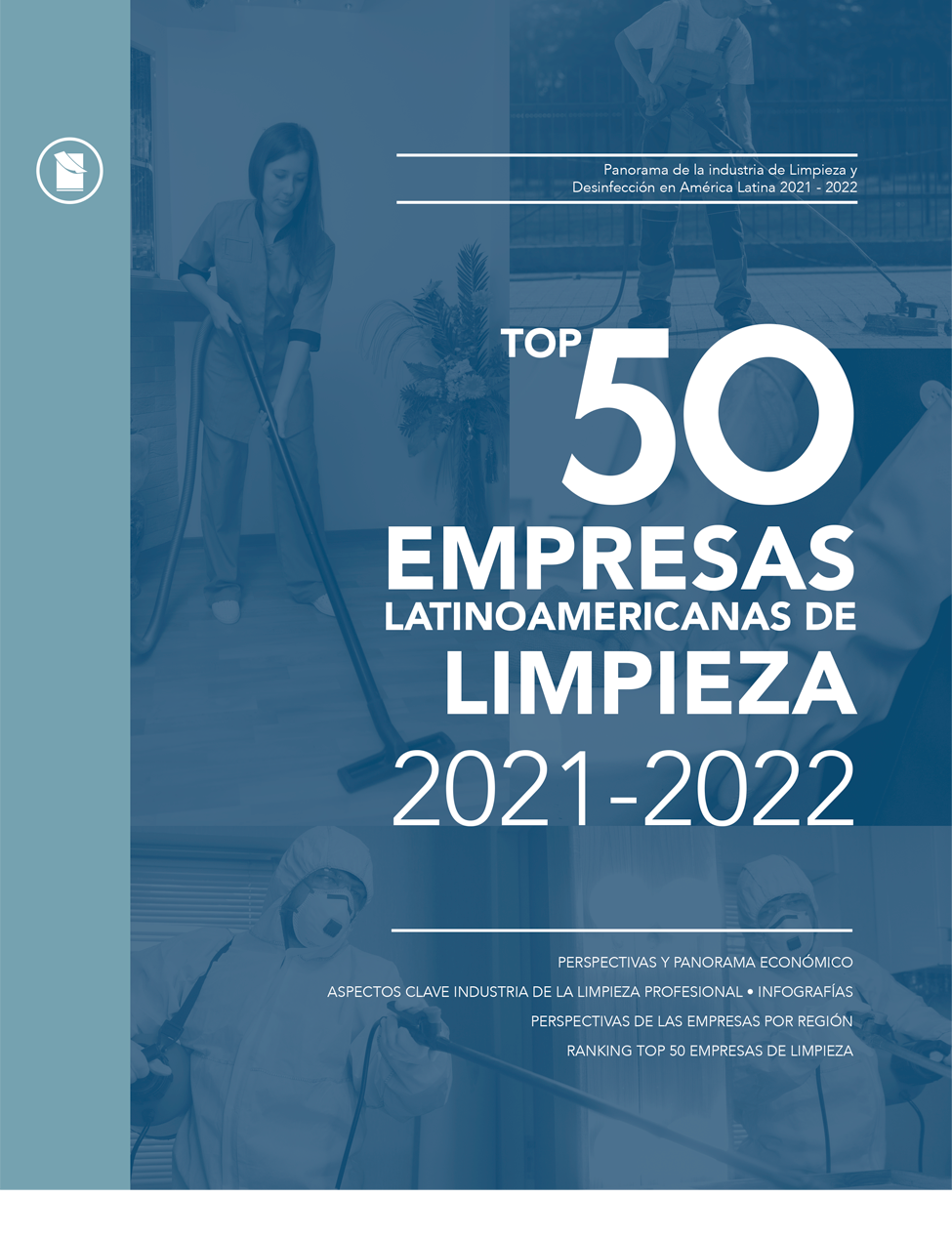
We present the second Report- Top 50 of Latin American Cleaning Companies, a ranking that highlights the most recognized companies in this region, considering the importance of this industry, cleaning and disinfection processes, not only in homes, but also in offices, hotels, industrial plants and any space where there is an influx of people.