Select your language


Essity promotes inclusive hygiene in Latin America: a challenge with business impact
Expired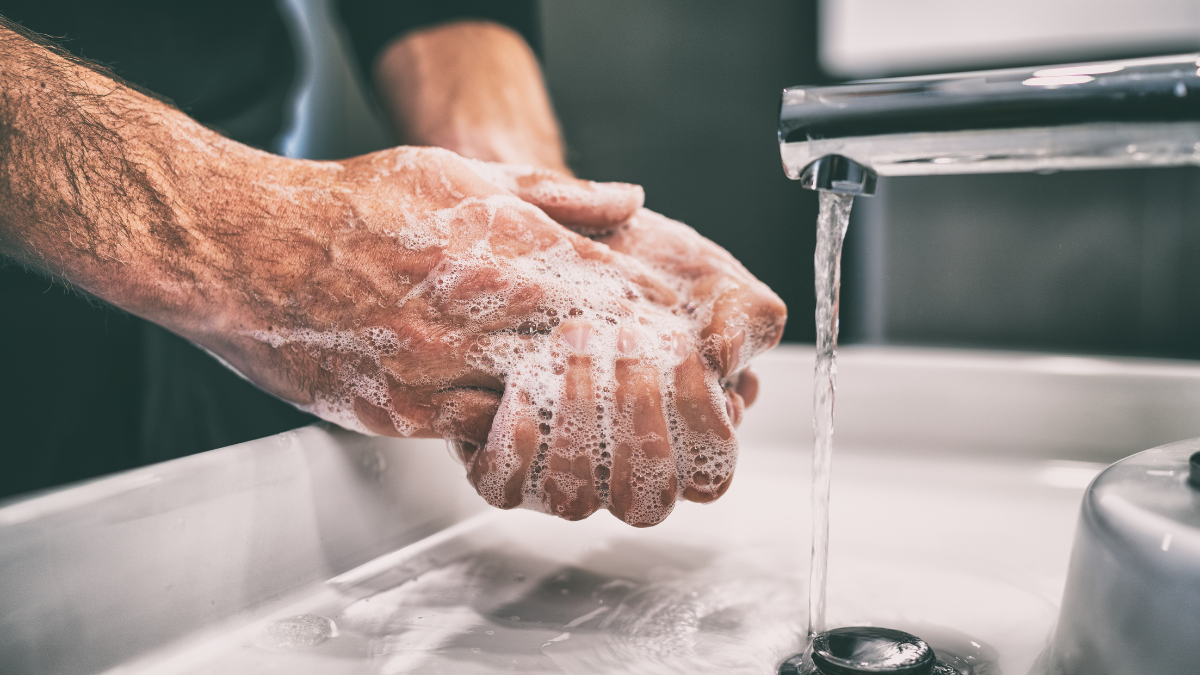
International. As part of Global Handwashing Day, commemorated on October 15, the global hygiene and health company Essity reaffirmed its commitment to promoting accessible and inclusive cleaning practices in Latin America. The company stressed that hand hygiene is more than a health habit: it represents a strategic axis for public well-being and economic productivity.
According to the Global Hygiene study, carried out by the Center for Disease Control and Prevention (CDC) and UNICEF, 462 million children worldwide do not have access to handwashing facilities at school. In Latin America and the Caribbean, before the pandemic, 40% of schools did not have a basic hygiene service – soap and water available – affecting 61 million students.
This access gap remains a major public health concern in the region. Data from Tork, Essity's professional hygiene brand, reveals that 8 out of 10 people express concern about the cleanliness of public toilets, especially among those with specific physical or cognitive conditions, evidencing the need for inclusive hygiene.
The impact of this situation transcends health. According to the Peruvian Ministry of Health, proper hand washing with soap and water for at least 20 seconds can reduce more than 40% of cases of acute diarrheal diseases and almost 25% of respiratory infections. By reducing school and work absenteeism, it also generates a positive effect on productivity and the economy.
Likewise, the World Health Organization (WHO) estimates that improving hand hygiene in healthcare settings can save up to $16.5 for every dollar invested, cementing it as one of the most cost-effective public health strategies.
However, deficiencies in public toilets also affect user confidence. According to Essity's global study on Hygiene and Health (2024), only 1 in 5 bathrooms meet expectations for cleanliness and hygiene, while 75% of people are concerned about health and hygiene in these spaces, which changes habits and raises consumer demands.
"Cleanliness is a reflection of the quality of a business"
Dr. Bertha Cecilia Lacouture, bacteriologist and master's degree in Microbiology, stressed the need for organizations to understand hygiene as a strategic component of their management. "To create a culture of well-being, organizations must see hygiene not as a cost, but as a strategic investment. A clean and accessible environment reduces the transmission of pathogens and, crucially, demonstrates the value a company places on people's health. Cleanliness is, in fact, a reflection of the overall quality of a business," he noted.
Along these lines, Essity has made Inclusive Hygiene one of the pillars of its strategy. Through its Tork brand, the company promotes the design of public restrooms that are comfortable and accessible to all people, regardless of their abilities or circumstances. In addition, she seeks to lead open conversations about health topics considered taboo, such as incontinence (TENA), menstruation (Nosotras) and hand washing.
Aida Fe Cárdenas, Customer Marketing Leader for Peru, Bolivia and Paraguay, explained: "We firmly believe that everyone deserves to be able to wash their hands. The key is to design bathroom environments that consider the full range of products such as Tork SmartOne, ensuring that hygiene is truly accessible to everyone, from customers to cleaning staff. By investing in hygiene, companies not only protect public health, but build a reputation for care and responsibility that generates loyalty and revenue."
For Essity, the goal is to turn concern into sustained action. "Global Handwashing Day is a reminder that this simple but vital practice remains our first line of defense. Clean hands, healthy lives, robust economies. The challenge in Latin America is to transform concern into sustained action so that the promise of hygiene is a reality for all," the company concluded.
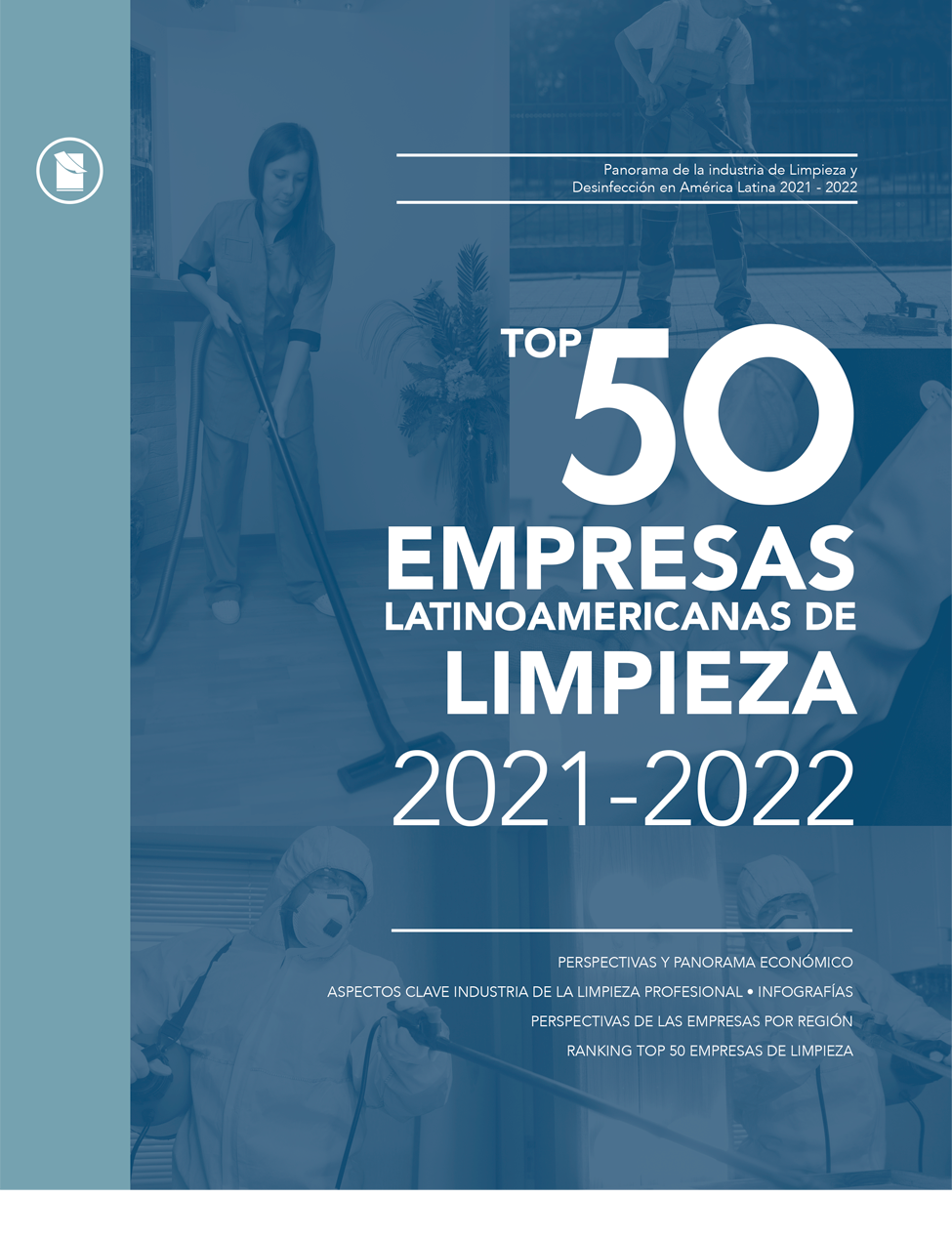
We present the second Report- Top 50 of Latin American Cleaning Companies, a ranking that highlights the most recognized companies in this region, considering the importance of this industry, cleaning and disinfection processes, not only in homes, but also in offices, hotels, industrial plants and any space where there is an influx of people.